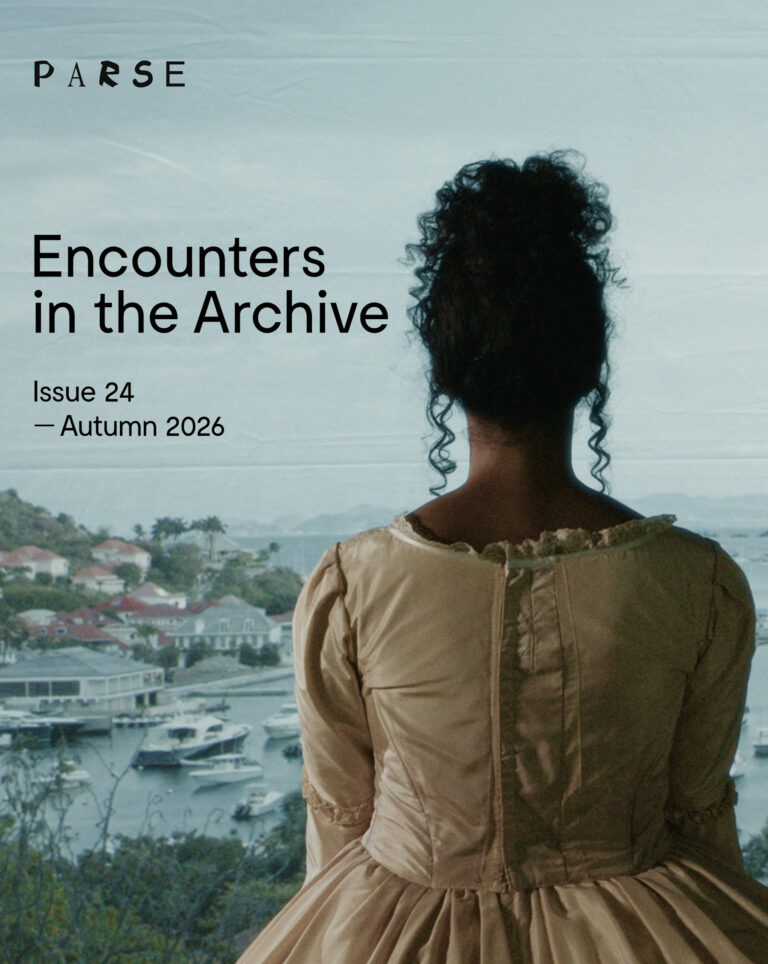
Editors - Nina MangalanayagamJyoti Mistry
The “archive fever” that Jacques Derrida describes, is the desire, impulse and drive to return to the archive as a place of origin, the commencement; a place from which one seeks to cite or locate a starting point.[1] The alternative meaning of the archive as authority, as commandment, further describes the instituting of memory, of the repository necessary to guard against forgetting. We archive because we want to remember and fear forgetting. This impulse to return to the archive is for Derrida both compulsive and destructive: in the relentless need for memory, to know the past becomes more insightfully a question of the future, of a promise and a responsibility for what is to come. It is this sense of the archive as simultaneously guarding the past and as a promise for the future that renders the archive always incomplete, because the search or desire for an origin is never satisfied, precisely because it is deferred – the archive as an institution itself mediated by technical processes and interventions that come from outside it. Arguably, Derrida’s archive fever as a metaphoric compulsive return—his thesis deeply connected to psychoanalysis and the death drive—is one among the evolving propositions of what the term archive means, its significance in the practice of institution-making and its critical use in archive studies.